Ever wondered what happens when the squishy, magnificent supercomputer nestled between our ears decides to have a grand ol' chat with the super-speedy, logic-loving world of Artificial Intelligence? Well, buckle up, because scientists are busy building a super cool bridge between our gray matter and cutting-edge tech, and it's making some truly mind-bending things happen!
For ages, our brains have been the gold standard for learning, creativity, and adapting to the wildest situations. They can instantly recognize a cat, tell if your toast is burnt, and even compose a symphony – all while keeping your heart beating. AI, while incredibly powerful, sometimes needs a little nudge to tackle the messier, more intuitive aspects of human-like intelligence. So, why not take a peek under the hood of the original genius machine and borrow some tricks?
This isn't just a friendly wave across the scientific divide; it's a full-blown collaboration! On one side, we have brain-inspired AI, where developers look to the intricate networks of our neurons to design smarter algorithms. Think of those "neural networks" you hear about – they’re basically a computer’s best attempt to mimic how our brain’s billions of interconnected cells process information. These digital doppelgängers learn from vast amounts of data, much like a baby's brain learns from interacting with the world, getting better at tasks like spotting patterns, understanding language, or even predicting what comes next. It’s like teaching a robot to see the world not just as data, but with a sprinkle of intuition!
But the traffic on this brain-AI bridge isn't one-way! Our clever AI companions are also helping neuroscientists unravel the mysteries of our own minds. Imagine having a super-sleuth that can sift through mountains of complex brain data – electrical signals, chemical reactions, and intricate neural pathways – faster than any human could. AI can spot subtle patterns, predict neurological conditions, and even help us understand how our memories are formed or how our emotions work. It's like having a digital magnifying glass that helps us peer deeper into the very essence of what makes us, us.
Of course, building such a magnificent bridge comes with its own set of playful challenges. Our brains are astonishingly complex, with more connections than stars in the galaxy, constantly rewiring and adapting. Replicating that kind of dynamic, energy-efficient processing in silicon is no small feat! There's also the big philosophical question: can AI ever truly feel, understand, or be conscious like a human? That’s a deep rabbit hole for future explorers, but for now, the focus is on making AI more robust, flexible, and capable by learning from nature's ultimate design.
The possibilities swirling around this exciting fusion are truly out of this world. Imagine AI that doesn't just crunch numbers but truly "thinks" creatively, solving problems in ways we haven't even conceived. Picture brain-computer interfaces that allow us to control technology with just a thought, helping people with disabilities regain independence or even just letting us type emails with our minds! It's not just about building smarter machines; it's about unlocking new potentials for humanity itself, enhancing our understanding of our own minds, and forging a future where technology and biology dance in perfect harmony.
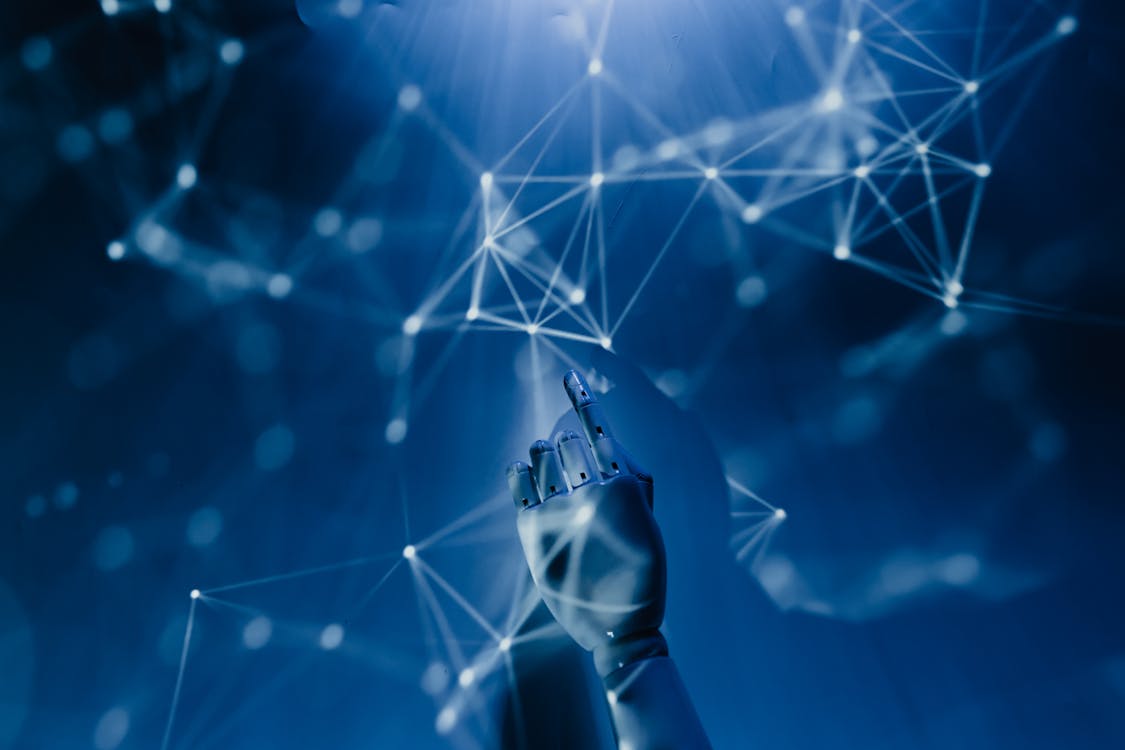
So, next time you marvel at a smart assistant answering your quirky questions or a self-driving car gracefully navigating traffic, remember that a little bit of brain magic is likely woven into its circuits. This incredible journey of discovery, where the organic wonder of our minds meets the boundless potential of artificial intelligence, is just getting started. Who knew squishy gray matter and blinking lights could be such a perfect, playful match?


No comments:
Post a Comment