Imagine for a second that your brain is a giant, bustling, electrified bowl of spaghetti. Now, imagine that this spaghetti isn't just sitting there getting cold; it’s actually solving math problems, remembering where you left your keys, and deciding whether or not you really need that third cup of coffee. For decades, scientists have been staring at this "biological pasta" trying to figure out how it works. But there is a twist! Instead of everyone looking at the same bowl, some scientists are looking at one tiny noodle through a microscope, while others are standing on a mountain looking at the whole bowl through binoculars. The big challenge today is getting all these scientists to stop arguing about their different views and start building a giant, universal map of how every brain—from a tiny fruit fly to a brilliant human—actually does its thing.
To really get the party started, we have to talk about "scales." In the world of brain science, scale is everything. You have the microscopic level, where tiny molecules dance around like guests at a very small, very crowded rave. Then you have the middle ground, where groups of neurons chat with each other like neighbors over a fence. Finally, you have the grand, macroscopic level, where entire brain regions light up like the Las Vegas strip. For a long time, the folks studying the molecules didn't have much to say to the folks studying the big brain regions. It’s like trying to understand how a car works by having one person study a single screw and another person study the concept of "speeding." To truly understand the "vroom," you need to bridge the gap between the screw and the speed.
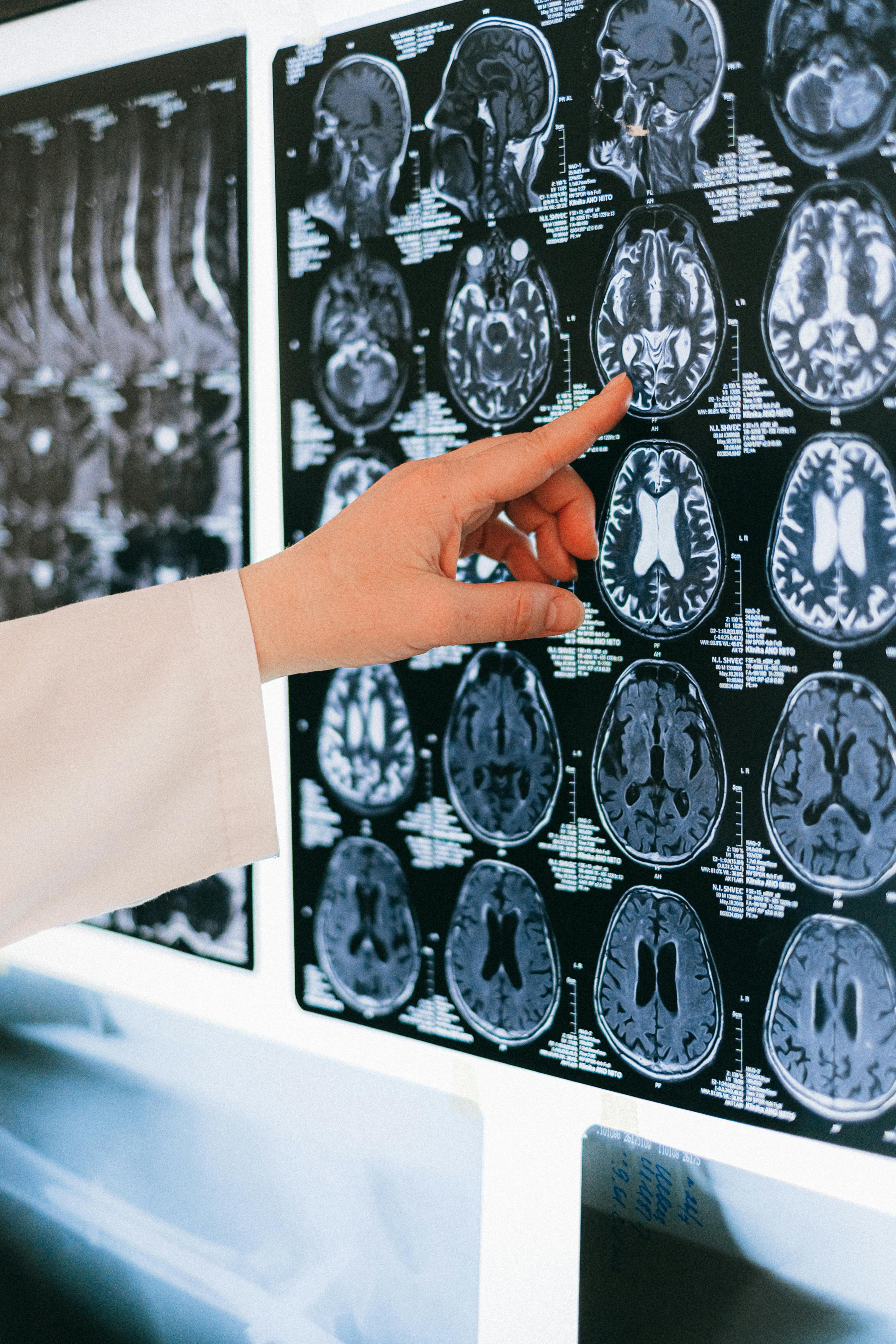
But wait, it gets even wilder! We aren’t just talking about human brains. The animal kingdom is filled with all sorts of "thinking machines." Have you ever looked at a fruit fly and thought, "What’s on your mind, little buddy?" Probably not, but neuroscientists do it every day. Even though a fruit fly’s brain is about the size of a grain of salt, it’s remarkably efficient. By comparing the tiny, zippy brains of flies with the slightly bigger brains of mice and the chunky, complex brains of humans, scientists are finding that nature uses a lot of the same "blueprints" over and over again. It’s like how a bicycle and a jumbo jet both use wheels; the scale is different, but the fundamental idea of "rolling" remains the same. If we can find the "wheels" of the brain, we can understand how everything from a bug to a billionaire processes the world.
This big-picture approach is all about integration. Think of it as a massive jigsaw puzzle where the pieces are scattered across different labs all over the globe. One lab has the "memory" piece, another has the "vision" piece, and another has the "why do I feel sad when I drop my ice cream?" piece. By using fancy new computers and super-charged math, researchers are starting to click these pieces together. They are creating digital models that simulate how neurons fire in sequence, creating a symphony of electrical signals. This isn't just for fun, either. By understanding how these signals flow across different species, we can start to figure out what happens when the signals get crossed, which could lead to amazing new ways to help people with brain-related hiccups.
The secret sauce in this scientific sandwich is collaboration. In the past, scientists were a bit like lone wolves, guarding their data like a dragon guards gold. But the new era of neuroscience is all about sharing the loot. Huge databases are being built where researchers can upload their brain maps for everyone else to see. It’s like a giant "Brain-Wiki" where anyone with a lab coat and a dream can contribute. This open-door policy is speeding things up immensely. Instead of waiting decades for a breakthrough, the interconnected nature of modern research means we are seeing "Aha!" moments happening at a record-breaking pace.
Ultimately, the goal is to understand the "language" of the brain. We know that neurons talk to each other using electricity and chemicals, but we’re still working on the dictionary. Is a zap in a mouse's brain the same as a zap in a human's brain when they both see a piece of cheese? Probably! By looking across species and scales, we are finally starting to translate these biological whispers into a story that makes sense. We are moving away from seeing the brain as a collection of isolated parts and starting to see it as a beautiful, unified system. It’s a journey from the teeny-tiny to the humongous, and every step brings us closer to understanding the most mysterious object in the known universe: the squishy thing right between your ears.
So, the next time you see a tiny bug or watch a mouse scurry across a field, give them a little nod of respect. Their brains might be small, but they are helping us solve the greatest puzzle of all time. We are all part of the same grand neural network, connected by the same rules of biology and the same spark of life. It’s a big, brainy world out there, and we are just starting to scratch the surface of how cool it really is. Buckle up, because the future of neuroscience is looking bright, loud, and incredibly well-connected!


No comments:
Post a Comment